Concrete Remediation

Concrete remediation is the process of repairing and restoring damaged or deteriorating concrete structures. It addresses issues like cracks, spalling, corrosion of reinforcement, and other forms of deterioration caused by factors such as weather, wear and tear, or chemical exposure.

Key Aspects of Concrete Remediation:

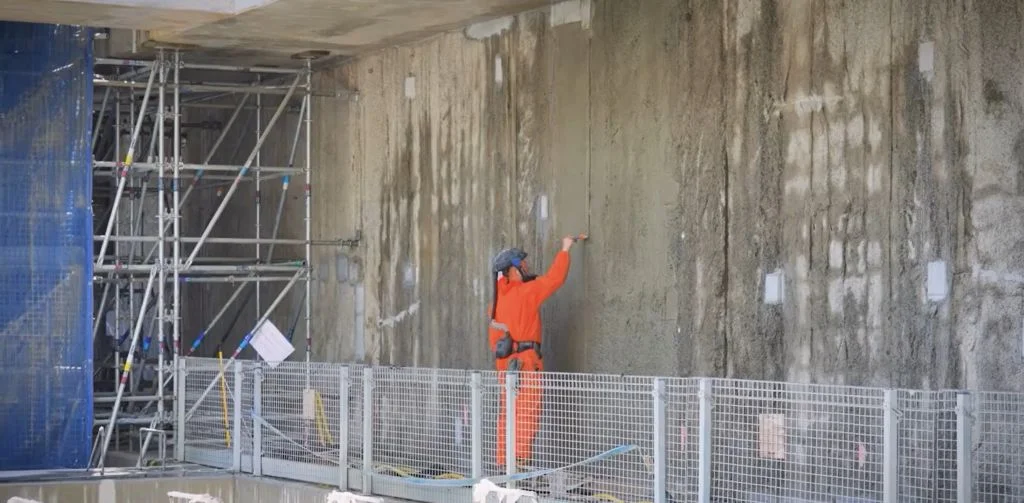
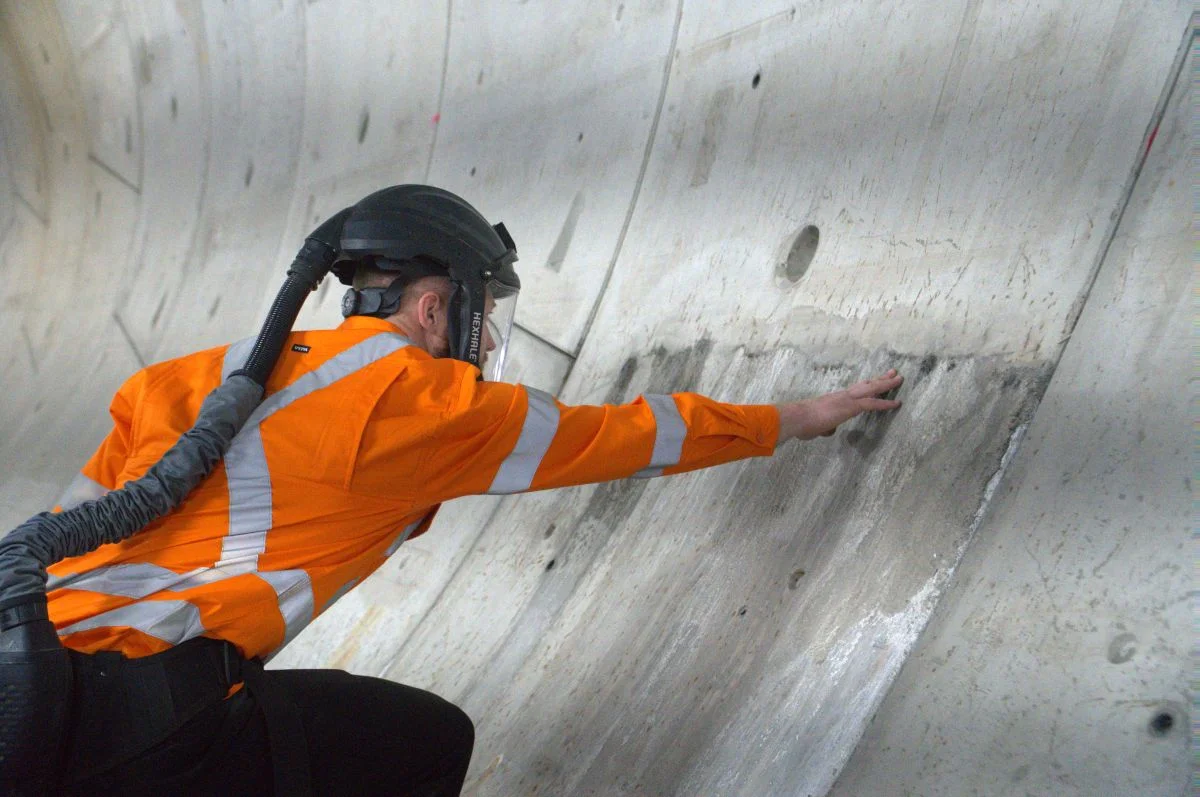
  1. Assessment: Identifying the type and extent of damage through visual inspections, testing, and analysis.
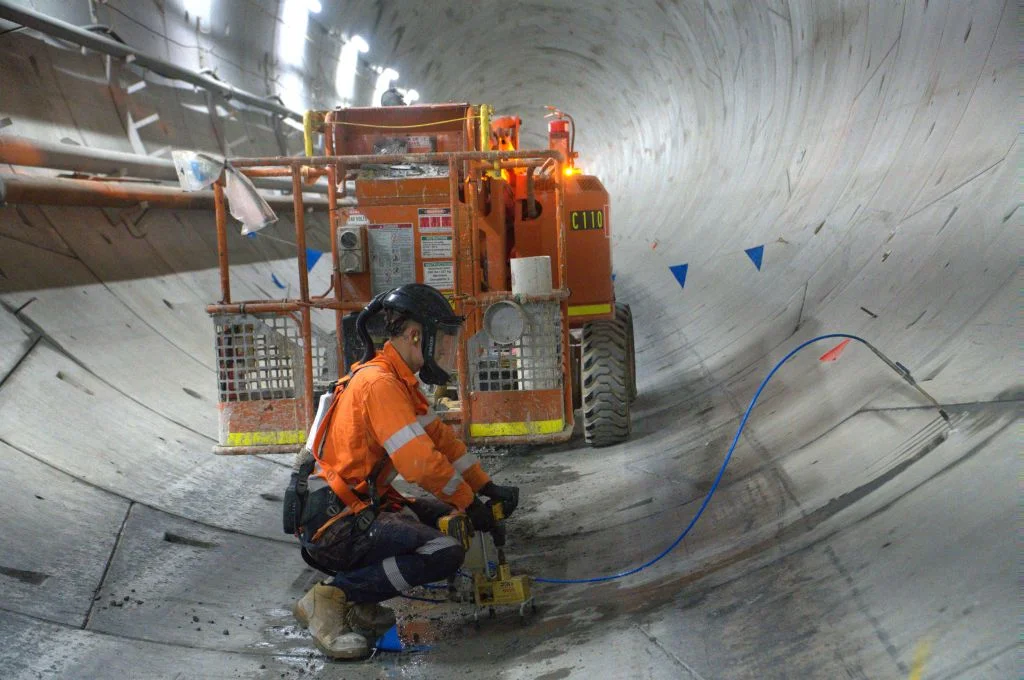
  2. Repair Techniques: Implementing various methods depending on the damage, such as:
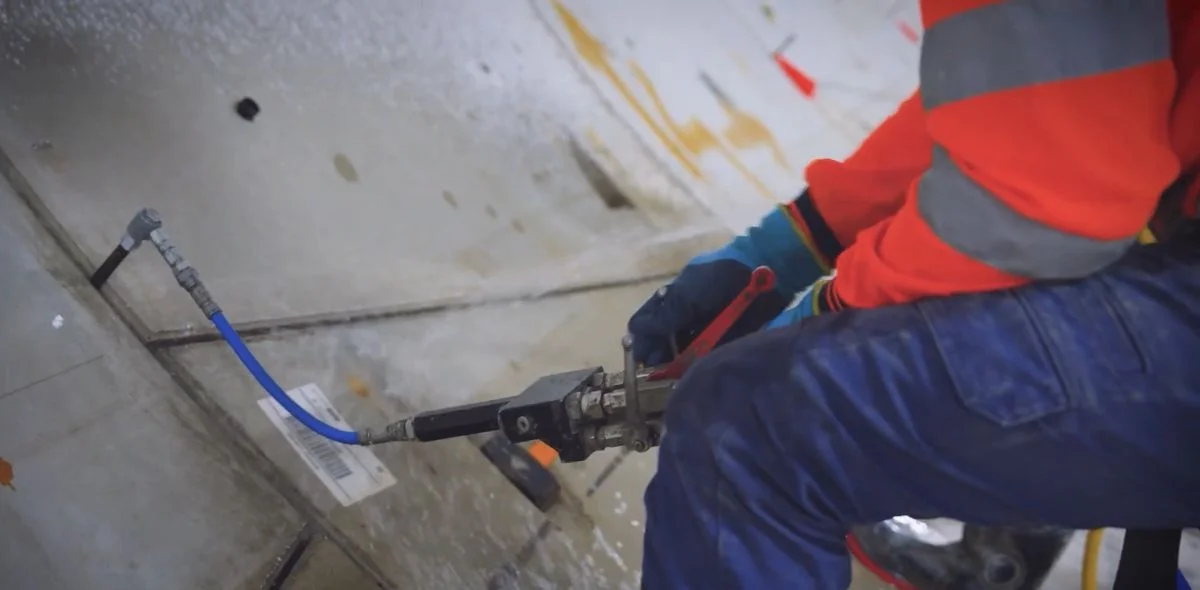
    • Crack Repair: Using epoxy or sealants to fill cracks.
    • Surface Repair: Resurfacing with new concrete or overlays.
    • Corrosion Mitigation: Applying protective coatings or inhibitors to reinforce steel.
    • Patching: Filling voids and surface irregularities with repair mortar.
  3. Reinforcement: Strengthening existing structures through methods like adding steel plates or fiber-reinforced polymers.
  4. Waterproofing: Preventing moisture ingress to protect against further damage.
  5. Preventive Measures: Implementing strategies to avoid future deterioration, such as proper drainage and regular maintenance.

Key Techniques in Concrete Remediation:

  1. Crack Repair: This can involve epoxy injection, polyurethane foam, or sealants to fill and stabilize cracks.
  2. Surface Repair: Techniques such as resurfacing with a new layer of concrete or using polymer-modified overlays can restore the surface.
  3. Corrosion Mitigation: Techniques like cathodic protection or applying corrosion inhibitors can help protect the reinforcing steel.
  4. Joint Repair: Repairing or replacing expansion joints to prevent further damage and improve flexibility.
  5. Strengthening: Methods such as installing fiber-reinforced polymers (FRP), steel plates, or additional reinforcement can enhance the load-bearing capacity.
  6. Waterproofing: Applying sealants or membranes to prevent water ingress, which can exacerbate damage.
  7. Patching: Using repair mortar or concrete to fill larger voids and surface irregularities.

Concrete remediation is critical for maintaining the safety, functionality, and longevity of structures, especially in environments subjected to harsh conditions or heavy loads. Regular inspection and timely remediation can prevent more extensive damage and costly repairs in the future.